
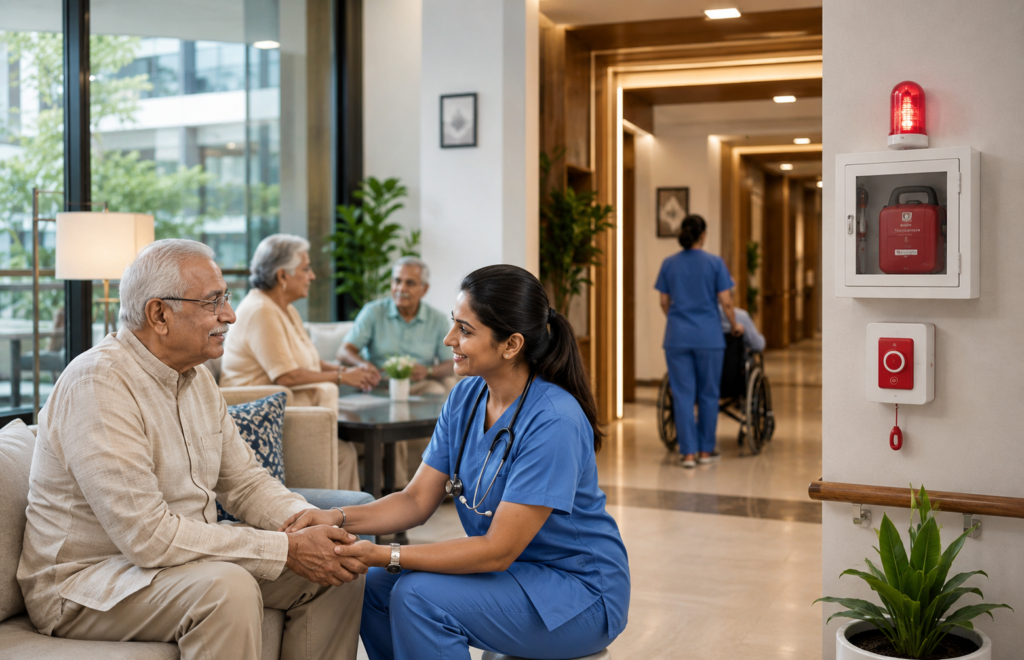
When we grow older we think about safety differently. In the past; size of a house or where it was situated were dealt with. These are the questions that would be on everyone’s minds and still one question is also as important today, “What if there is an emergency while treating a sick person?”
I think this is one of the biggest changes to how people select retirement homes. A lovely structure or quiet space is one thing, but at a time you really need rapid medical help, it will prove worthless.
Modern premium senior living communities have diligent safety and emergency preparedness. We don’t want people going to think they are living in a hospital. It is instead to reassure them that support and assistance will not be far away when needed.
We need to understand why medical emergency preparedness has become so integral a part of the senior living projects we see today.
Why Medical Emergencies Matter More After Retirement
Health needs usually become more unpredictable with age.
A person may be perfectly active one day and need medical attention the next. Common situations include:
- Sudden dizziness
- Falls inside the home
- Low blood pressure
- High blood sugar
- Chest discomfort
- Breathing difficulties
- Dehydration during hot weather
In many independent homes, immediate help may not always be available, especially if children live in another city or country.
That is why planning for emergencies before they happen makes practical sense.
Quick Response Can Make a Big Difference
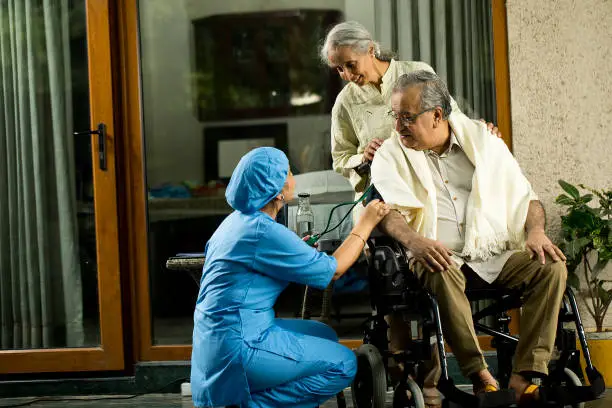
While most diplomats have had to resolve some of the crises that I described above, not all medical emergencies are due to major illnesses.
Take the first 10 minutes counts, sometimes that is all it takes to not became a serious issue.
Take for instance, an older person who slips in the bathroom. However, with very rapid detection and immediate assistance reaching them the probability of reducing complications can will be better.
This is why emergency preparedness is all about rapid response, launching communications and having coordinated support systems in place well before things start spiralling out of control into an emergency.
Modern Senior Living Projects Are Designed Differently
Many of today’s senior living residences take everyday safety into consideration.
Many neighborhoods are purposefully designed with:
- Easy-to-reach emergency call systems
- Well-lit walkways
- Handrails in common areas
- Non-slip flooring
- Wheelchair-friendly pathways
- Easy access for emergency vehicles
- Clearly marked exits
While these may seem like minor particulars, they provide far more protection for senior citizens each day.
Trained Staff Adds Confidence
One thing that families often overlook is the importance of trained staff.
Equipment alone cannot handle emergencies.
People working in the community should know how to:
- Stay calm during emergencies
- Contact medical professionals quickly
- Provide basic first aid
- Assist residents safely
- Coordinate with family members
Even simple knowledge can make an important difference while waiting for medical professionals to arrive.
Read Also: Why More NRIs are Choosing Senior Living Communities for Their Parents
Good Communication Is Part of Safety
During an emergency, confusion can create unnecessary stress.
Well-managed communities usually maintain updated records such as:
- Emergency contact numbers
- Medical history
- Allergies
- Regular medications
- Doctor details
Having this information readily available saves valuable time when immediate decisions are needed.
Everyday Health Monitoring Helps Too
Emergency preparedness is not only about reacting after something happens.
It also includes noticing small health changes early.
Regular health check-ups, wellness activities, and simple daily observation can help identify issues before they become emergencies.
For example:
- Sudden weakness
- Reduced appetite
- Difficulty walking
- Changes in sleep patterns
- Unusual tiredness
Early attention often leads to better outcomes.
Families Feel More Relaxed
One concern I hear often is from children living away from their parents.
Many worry about receiving a phone call during an emergency when they are hundreds of kilometres away.
Knowing that trained people are available nearby gives families peace of mind.
It doesn’t remove every worry, but it reduces the fear of parents being completely alone during difficult moments.
Medical Emergency Preparedness Is Also About Prevention
A good community doesn’t only respond to emergencies-it also works to reduce their chances.
Simple preventive measures include:
- Regular maintenance of lifts and pathways
- Good lighting throughout the property
- Safe bathroom design
- Routine fire safety checks
- Clean surroundings
- Encouraging physical activity suitable for seniors
Many accidents can be avoided when the environment is planned carefully.
Choosing the Right Community
When visiting a retirement community, don’t only ask about rooms or facilities.
Ask practical questions like:
- Is there an emergency response system?
- How quickly can medical help be arranged?
- Are staff trained in first aid?
- Is resident medical information safely maintained?
- How are families informed during emergencies?
These questions provide a better understanding of how prepared a community really is.
Final Thoughts
Ageing should not mean living a life of anxiety.
A true retirement community recognizes that safety is more than securing the gates or building nice buildings. It is also getting ready for situations when the unexpected arises.
The premium senior living can accomplish more than mere comfortable homes, according to Bigchamps. The result should be an environment that allows for thoughtful planning, day-to-day care and emergency preparedness to enhance residents’ confidence in enjoying life. Impeccably-designed senior living communities enable older adults to remain self-sufficient with a safety net of support available if needed.
Frequently Asked Questions
1. Why is medical emergency preparedness important in senior living communities?
Older adults may face many health problems such as falls or sudden illness. Being prepared for this fast assistance and better coordination in emergencies.
2. What emergency features should a senior living project have?
Examples of these resources are emergency call systems, non-slip flooring, handrails and accessible restrooms, wheelchair-accessible routes with clear exits as needed, and trained personnel ready to respond appropriately.
3. Do senior living communities provide medical treatment?
Most communities focus on emergency response, first aid, and arranging medical assistance. The exact medical services vary from one community to another.
4. How can families check if a community is well prepared?
Families should ask about emergency response procedures, staff training, resident health records, communication systems, and how medical help is arranged when needed.
5. Can emergency preparedness help prevent serious health problems?
While it cannot prevent every emergency, early response, regular monitoring, and a safe environment can reduce risks and improve the chances of timely care.